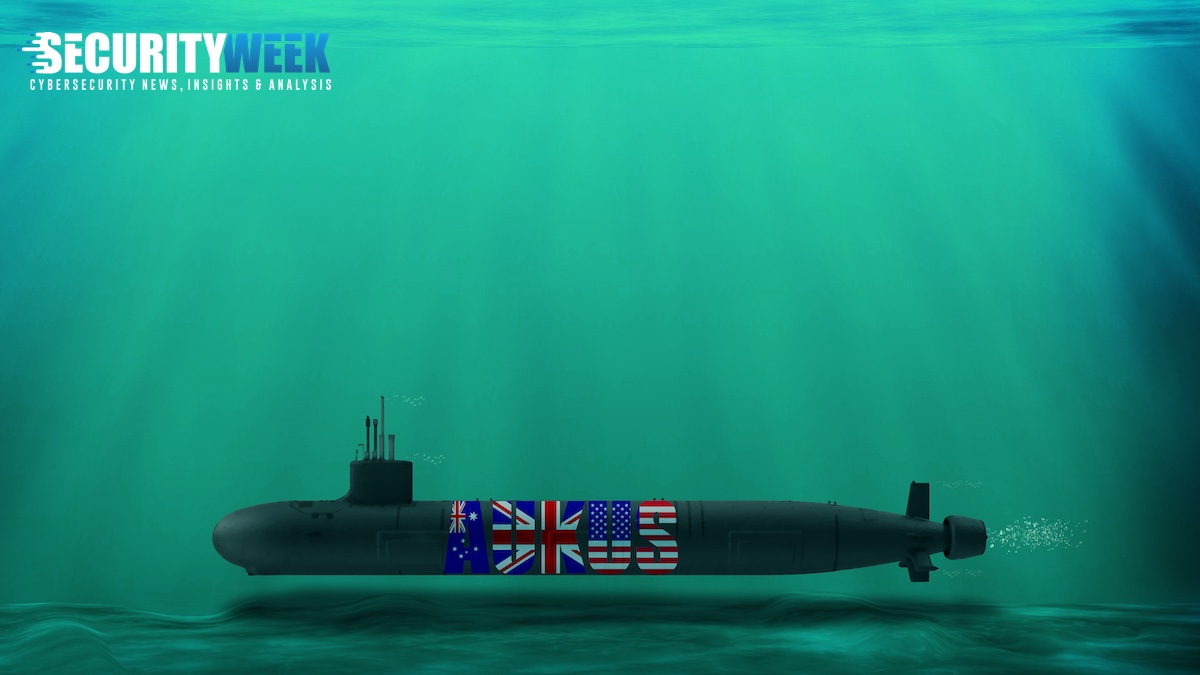
Australia’s cooperation with the United States and Britain to develop an Australian fleet of submarines powered by U.S. nuclear technology is a likely target of state-sponsored cyberespionage, the nation’s digital spy agency said on Wednesday.
The Australian Signals Directorate reported a 23% increase in cybercrimes in the country and a 14% increase in the average cost of each crime in its latest annual online threat assessment for the fiscal year that ended on June 30.
The report highlights China’s role in backing a group of hackers, known as Volt Typhoon, that targeted U.S. critical infrastructure including military facilities on Guam. It warns that the same techniques could be used against Australian infrastructure as part of information-gathering or disruptive activities.
Potential targets include the AUKUS agreement — an acronym for Australia, the United Kingdom and the United States — under which the U.S. will share its nuclear submarine technology secrets.
“The AUKUS partnership, with its focus on nuclear submarines and other advanced military capabilities, is likely a target for state actors looking to steal intellectual property for their own military programs,” the report said.
“Cyber operations are increasingly the preferred vector for state actors to conduct espionage and foreign interference,” it added.
Defense Minister Richard Marles said state online actors’ increased interest in Australian infrastructure, including the submarine program, demonstrated the need for greater investment in the nation’s cyberdefense capabilities.
Marles said the government would double the Australian Signals Directorate’s online capacity, investing 10 billion Australian dollars ($6.5 billion) over a decade.
Security analysts say China is the biggest state actor in cybercrime in Australia, followed by Russia and then Iran.
Mike Burgess, director-general of the Australian Security Intelligence Organisation, the nation’s main domestic spy agency, said last month that Beijing was “engaged in the most sustained, sophisticated and scaled theft of intellectual property and expertise in human history.”
The new report on Australia’s growing online threats comes as Australia improves relations with China. Prime Minister Anthony Albanese this month became the first Australian leader in seven years to visit China.
Marles described Australia’s relationship with China as “complex.”
“We’ve never pretended that this relationship is easy. We value, clearly, a productive relationship with China. They’re our largest trading partner, so it’s right to be investing in that relationship,” Marles told Australian Broadcasting Corp.
“But China has been a source of security anxiety for our country and we prepare for that as well,” Marles added.
Related: Microsoft Says Chinese .Gov Hackers Targeting US Critical Infrastructure